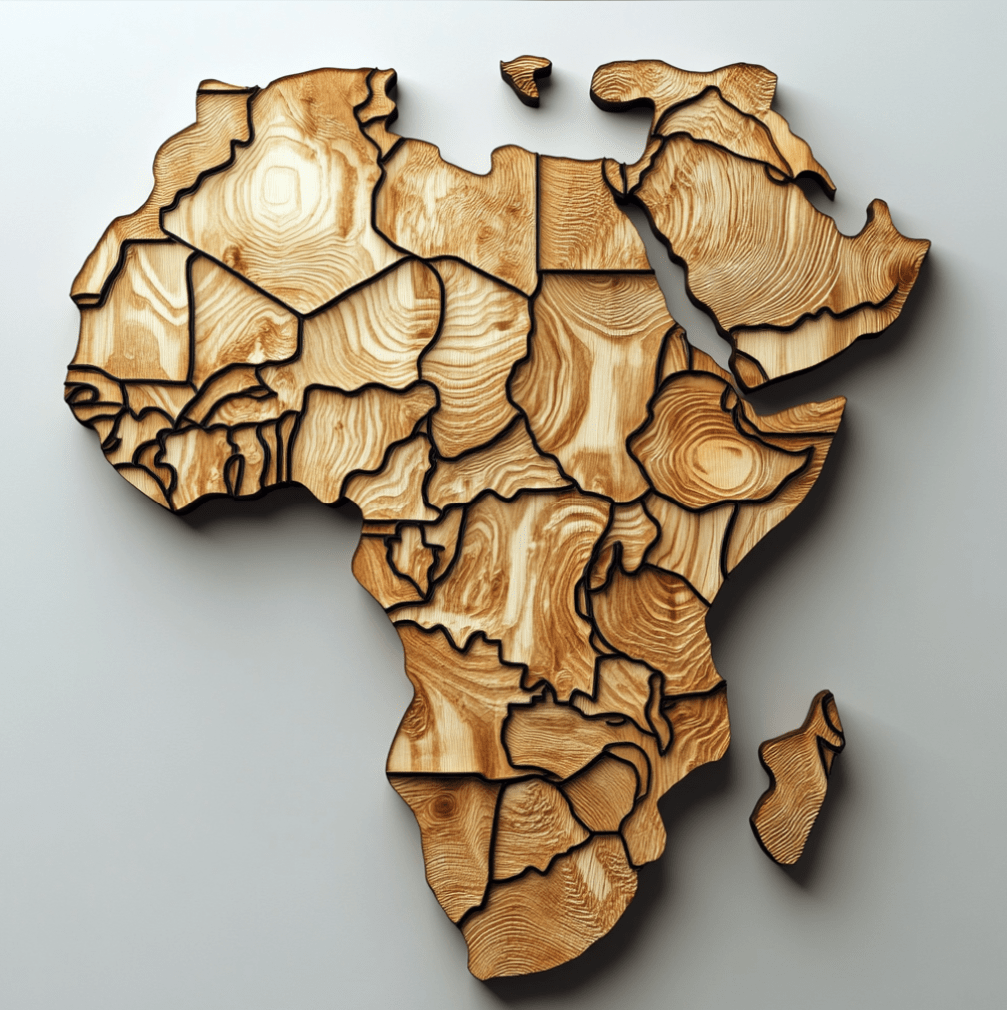
Kinyarwanda is a Bantu language spoken by around 20 million people, primarily in Rwanda. Many Tutsis, particularly those in Rwanda and the Democratic Republic of the Congo speak Kinyarwanda. in 1994, the Rwandan genocide targeted the Tutsi population, resulting in the deaths of an estimated 800,000 people. As of 2024, nearly two million people have been displaced by conflict in the DRC, and 30 years after the genocide approximately 127,000 live in 5 massive refugee camps: Kiziba, Nyabiheke, Kigeme, Mugombwa and Mahama.
While Kinyarwanda is not among the top 10 languages spoken in Africa, it is one of the most common languages spoken by African refugees in the U.S.
Visitors to this site are likely aware that tech companies like Google prioritize product development based on the wealth of their customers. Thus they do not focus their efforts on products that help poor people in the Global South, (similar to the fact that pharmaceutical companies don’t make medicines for tropical diseases (https://dndi.org)). As a result, a Kinyarwandan spoken language translation is non-existent. So the journey began by doing research on who is funding and making a translation app, with the hopes of working with machine learning developers create a model that could become an app in the next year.
However, once we began working with refugees in Aurora, Colorado, the needs of the families were so great that we put the project aside and focused on one family’s survival in the US for almost a year. We’re glad we did, because we realized if our ideas didn’t help one family, they wouldn’t help anyone.
The Translation Hack
In lieu of a spoken-to-spoken translation app, we created the following translation hack with WhatsApp. This consisted of a group chat between the family, an American volunteer and a translator in Rwanda. Through these voice notes, we were able to communicate and troubleshoot the complexities of living in the US. By having a committed translator, we could accomplish more than families who have rare access to a translator, and work through pantomime.
Learning English
Through the M*** family, we realized the challenges refugees who speak African languages face in the US. And we learned that learning English isn’t as straightforward as making online videos (link). We believe that many refugees need a “language case worker”, a coach, and an individualized plan to help them along each stage of their journey.
ChatGPT
By using generative AI, lesson plans, vocabulary lists and assessments can be made in minutes. 6-months of text messages were analyzed to create vocabulary lists. AI apps can also provide personalized coaching to improve pronunciation.
Digital literacy is our next challenge. Online banking. Portals. Online scams. Job applications.
Mobile-first – Smartphone only
Most newcomers don’t have a laptop, so everything has to be done on a Smartphone. It is also difficult to provide this help online, so we’re partnering with organizations to pilot classroom training.
This site was created with the intention of sharing what we have learned, and what we would like to do in the future. Our motive is not profit, but the hope of helping others through knowledge sharing and transparency.
This fall, the M** family will welcome 7 family members to Aurora, CO. We are optimistic that although things will be challenging, we know a lot more than we did a year ago. Recently, we began funding several refugees in camps in Africa – paying them a living wage to help us test our systems. It is the hope that $25/week, for a 4 month period (at least) – can provide some stability and food.
In addition to helping African refugees in the US, we are also doing research on ways to help refugees who live in refugee camps with no electricity, no running water, food shortages, and not great prospects for the future. We have learned that it is easier to pull someone out of poverty, then to get them resettled in the US.


 The Kinyarwanda Project