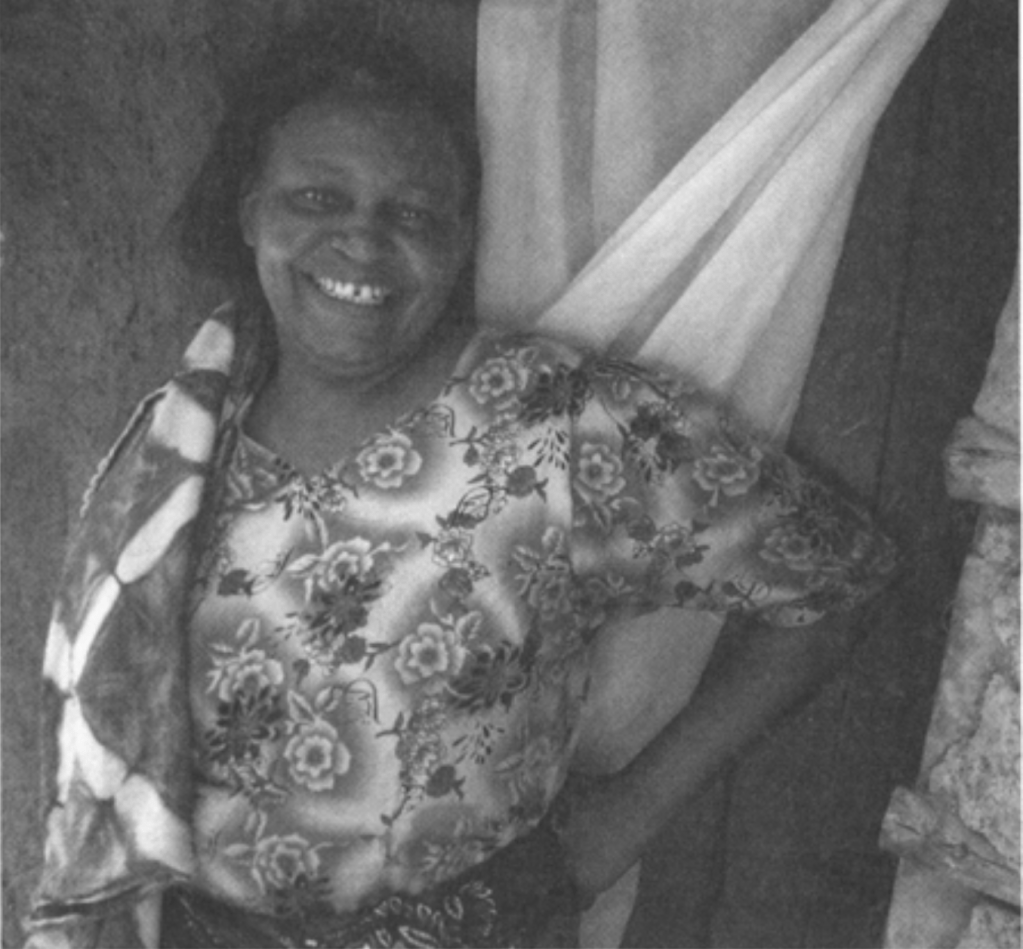
Agnes Munyiva, a sex worker in Nairobi, became central to HIV/AIDS research in the 1980s when scientists discovered she and a small group of women appeared immune to the virus despite repeated exposure. Frank Plummer (deceased), the director of Canada’s Center for Infectious Disease Prevention and Control, in Ottawa described this 5% of long-term non-infected prostitutes: “Their immune systems for whatever reason are able to recognize and kill HIV.” The study of their immune systems provided crucial insights into the virus and contributed to groundbreaking advancements in HIV prevention and vaccine development.
However, Agnes’s story is a stark example of exploitation. Despite the study receiving $22 million in funding, she and the other women were never rescued from sex work and poverty during the 20 year study. Researchers withheld donations, compelling them to remain in their miserable roles—charging $1 for sex while living in sheds in ghettos—as prostitutes, so that scientific studies on their unique T-cell resistance to the virus could continue. This decision perpetuated their vulnerability instead of offering support, protection, or even the opportunity for a middle-class lifestyle.
Meanwhile, Plummer, the scientist who designed the study, traveled the world doing public speaking and was a rockstar in the world of AIDS research. There was some discussion about the lack of equitable compensation, meaningful consent, or a path to a better life, but of course it was just an academic debate and no action was taken. Not one donor was able to give a donation that allowed Agnes to retire – she remained a prostitute until her 50’s, and now she has disappeared.
When asked: “What obligation does science have to the women who have given him their blood for twenty years? What does this project owe Agnes? The research budget includes no funds to give them other options— “you can’t get a research grant for that,” Plummer said, who never advocated for Agnes, and was blind to the fact the payment one speech about Agnes would have been enough income to allow her to retire.
This case exposes a troubling dynamic in global health research, where marginalized individuals are often treated as tools for scientific progress rather than partners with rights and dignity. Agnes’s contributions to combating a global epidemic were invaluable, yet the system treated her worse than the beagle dogs in pharmaceutical laboratories, who are released for adoption after 2 years of suffering. The scientific community prioritized data collection over justice and basic human rights.
Agnes’ story was told in Stephanie Nolan’s 2007 book, “28: Stories of AIDS in Africa“. At the end, when readers ask if they can send money directly to the people, Nolan discourages this: “In many of the places worst hit by AIDS, there are no banks and there is no postal system. How are the Zambian grandmothers going to receive your donation—and what will they do with a check in euros or dollars?” However, today people featured in stories can have a social media profile that connects to their digital wallet, allowing direct donations, and even most of the poorest people on the planet do have at least occasional access to a phone.
Read the story here: https://www.theguardian.com/world/2007/may/27/aids.features
Note: the Tusoma Project will support any researchers who will try to locate any of her five children to argue for compensation, and bring further attention to this ethical atrocity.





Leave a Reply